
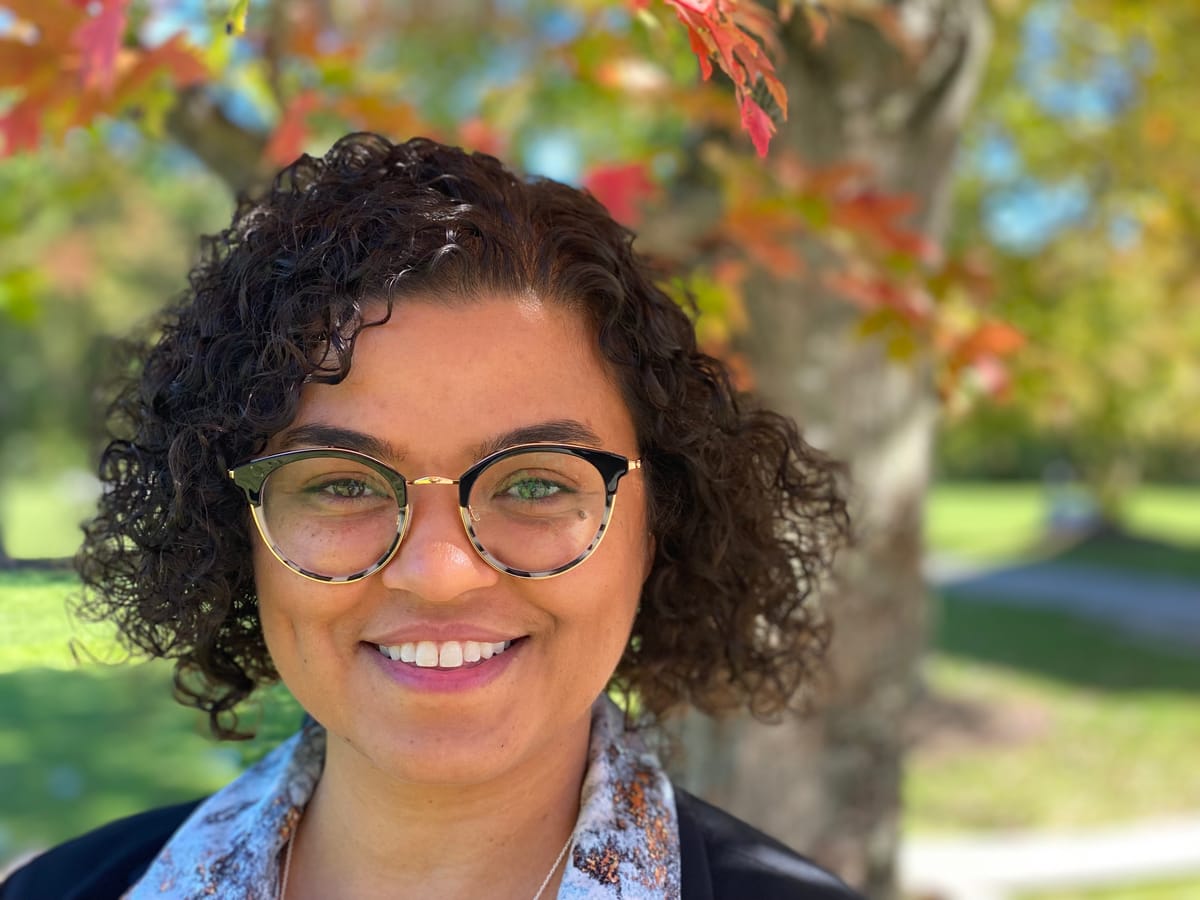
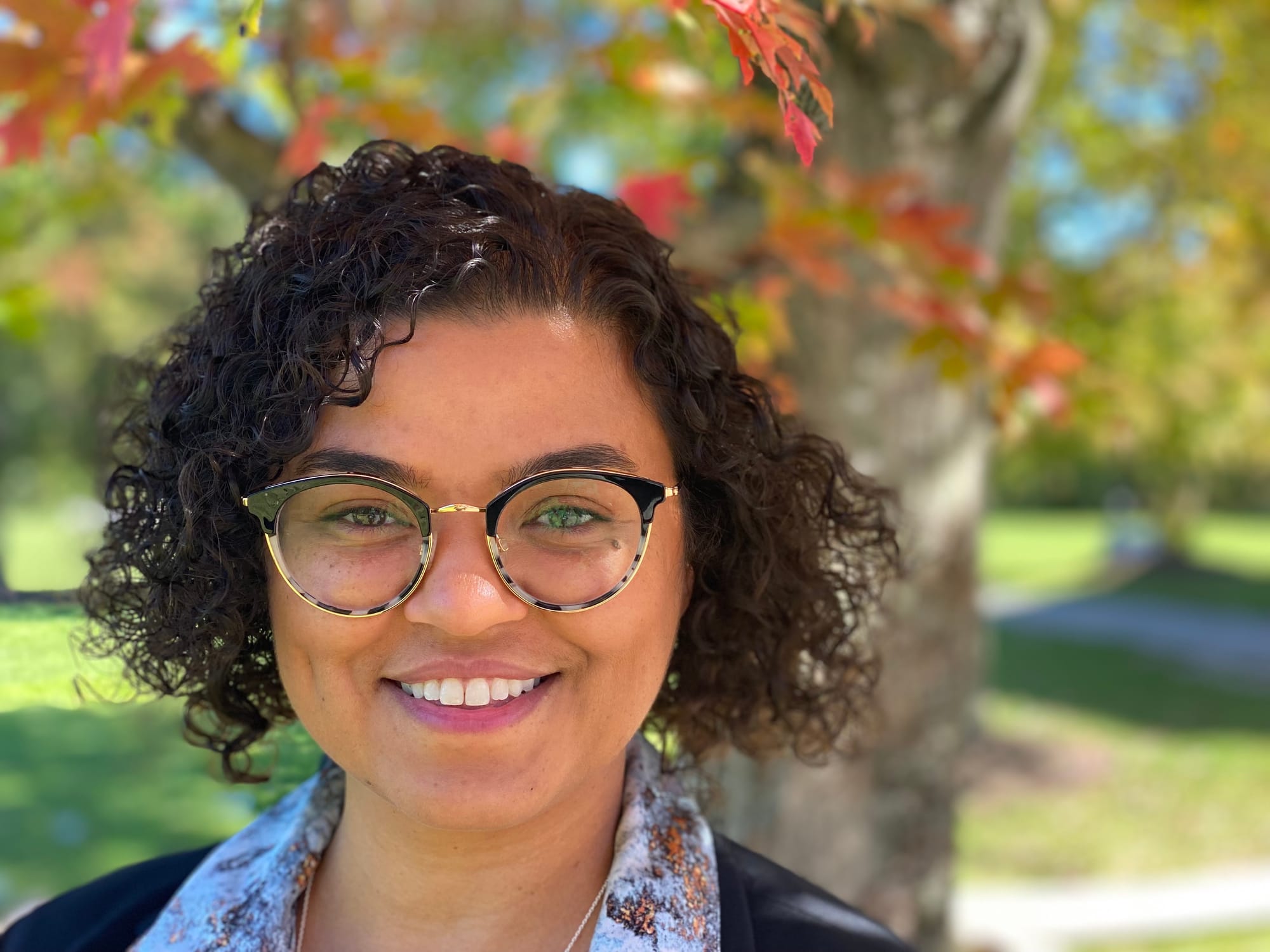
TEDxAsburyPark founder Brian Smiga sat down with anthropology professor, Hanna Garth, Princeton & UC San Diego, ahead of her TED Talk on May 6th at the Triumph Brewery Stage to talk about her observations of our human need to share food and feasts.
Smiga: How did you decide to become an anthropologist?
Garth: It happened in a series of tiny influences that all eventually came together. I majored in anthropology, and I was really interested in the fact that you could make a profession out of hanging out with people all over the world and then writing up their stories. So then I had to learn the theory and the hard parts of anthropology. But definitely what drew me to it was hanging out with people and getting to write about their lives. I have developed a specific focus on studying food. And part of that's just because I love food. I like to go to nice restaurants. I like to go to hole in the wall restaurants. I also grew up in a farming community in eastern Wisconsin where people were always thinking about food and the ways in which things we were growing were connected to broader agricultural systems. My grandmas on both sides had big gardens and they canned vegetables. And I grew up in a household where meals were cooked from scratch as often as possible. And so I kind of turned the thing I'm passionate about and love in everyday life into a career, and I feel really lucky about that.
Smiga: Fantastic. At the center, the first thing you mentioned was hanging out with people, being part of people's lives and their cultures. Including the epicurean aspect of hanging out. With regard to food specifically, what were some of the unusual food experiences you had as you traveled to diverse cultures?
Garth: I've done the majority of my research in Cuba. One of the first few weeks that I was ever in Cuba, I attended a Haitian voodoo ceremony, in a small enclave outside of Santiago de Cuba that has a large community of Haitian descendants. And it was a religious ceremony that brought a bunch of people together. But I remember two things really vividly about food. Everybody shared this big pot of soup that in Haiti is known as soup joumou. And they called it soup joumou in Cuba as well, even though they speak Spanish in Cuba. But the soup was passed around in little cups. I remember it had a lot of parts of the chicken or the animal that I wouldn't normally eat. But in order to sort of honor the people that I was with, I made sure that I ate all of the soup. The ceremony also involved a lot of rum drinking and dancing and sharing space. It was a very kind of long and slow evening where we were all just hanging out and eating and drinking. And that was one of the times when I first felt like I was really being welcomed into this place, that I was not from there. I don't have ancestors from there, but people really invited me in with the special soup and the rum.
Smiga: There's something about that shared consumption. That creates a bond, makes you one of them, or at least that a core part of you is participating, instead of just talking and observing. Any other really strange, exotic, rare food experiences in your work?
Garth: I've had some exotic food experiences. I lived for a while in the Philippines. One of the things that they eat there is called balut, and it is a small egg that has a baby bird in it. And you're supposed to eat the whole thing with the baby bird. And it's raw, so it's crunchy. And slimy, and it's a whole experience. Yeah, I ate that. And then when I was an undergraduate, I traveled into the Andes, where I ate guinea pig cuy, which is common there. And it's an experience. It's a very bony little animal that you have to pick at, very delicate.
Smiga: Coming to your talk: the societal or communal impulse to feast, and the transformation that occurs. If you can pinpoint a big idea that has not been heard, so that you get picked up by Chris Anderson and the big TED stage, what is the big idea?
Garth: There's already been a lot that's been said about feasting and human eating. It's a very common thing, especially for anthropologists to study. But one thing that people forget is that feasting and coming together and gathering is so important as a human social interaction that even when people don't have any money and things are very tight and scarce, they will do whatever it takes to be able to put together a gathering with good food and good drink. So I have done research in Cuba and I've also done research in South Central Los Angeles, and in both of these places I've worked with really low income people and watched how they anticipate a birthday that's coming up or the holidays or a Super Bowl party. And they plan for it and they set aside money and they make sure that they have the appropriate feast that one should have on those occasions. And I think sometimes it can look to outsiders like it's an irresponsible way of spending money when maybe they're not paying their electrical bill that month and instead they're funding their kid’s birthday party. But to me, it’s not about irresponsibility. It just tells you how important these things are to people.
Smiga: I love this idea of the unending drive to feast and gather and celebrate regardless of one's means. It will be a very colorful talk where you bring in some of these things you've eaten with the indigenous folks in Cuba, Haiti or in the Philippines. I wonder if there's some framework to understand what drives that gathering impulse. Why is it so necessary? Why is it essential to survival?
Garth: Historically, gathering and feasting were about exchanging resources with other communities and building relationships with people that you could exchange resources with when you needed to. These were often tied to religion or spirituality and cosmology, making different kinds of offerings to certain gods or the earth. I think as society has changed and people are less reliant on one another to get by, and they're able to pay for services to take care of everything, the need to gather for these foundational purposes has withered away. But people still feel the need at a personal level, at a soul level, at a spiritual level, to just get together with others, even though they might not need it at a core level.


Member discussion: